
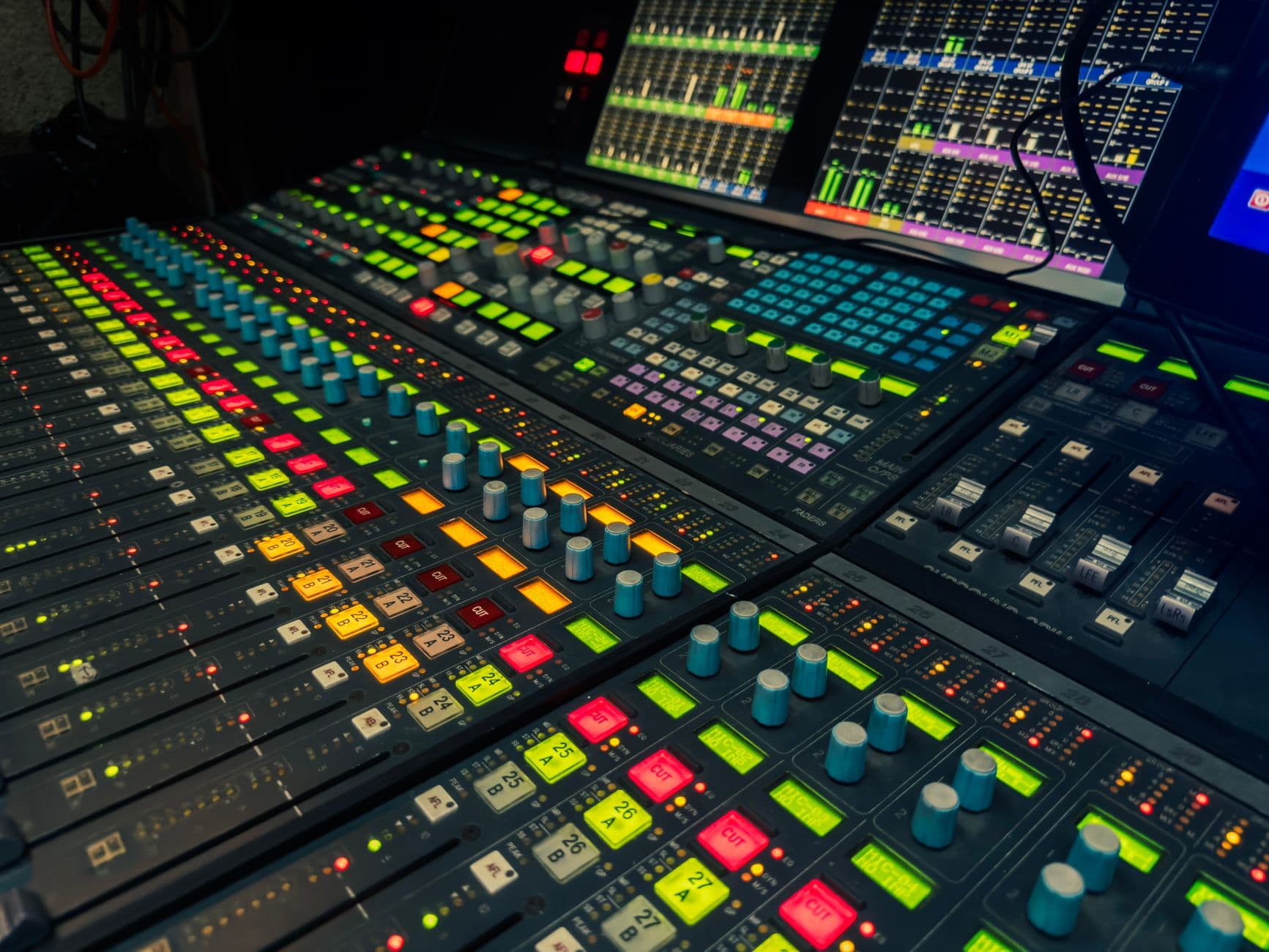
The Evolving Landscape of Studio Craft and Creative Longevity
For independent creators navigating the modern cultural industries—whether you are producing records, writing immersive audio dramas, editing independent films, or managing a growing creator business—the relationship between raw talent and long-term sustainability is constantly shifting. In the world of music production, recent educational expansions, such as national songwriting and recording initiatives launched by cultural agencies, alongside hands-on masterclasses at universities, point toward a broader truth: technical proficiency is no longer enough to secure a lasting career. The modern studio environment demands a holistic blend of deep listening, adaptable workflows, and an acute understanding of how audio engineering intersects with software development, media scoring, and independent commerce.
When young creators step into masterclasses or utilize newly funded educational pipelines, they often encounter a stark contrast between academic theory and real-world studio pressure. The tools of music production have never been more accessible, yet the marketplace for attention has never been more saturated. Producers find themselves competing not just with peers down the street, but with a global flood of algorithmic content and automated mixing tools. Surviving this environment requires moving beyond mere gear acquisition, preset reliance, or chasing transient internet fads. It demands a rigorous commitment to craft—one that mirrors the structural discipline required by authors revising a manuscript for the fourth time or filmmakers cutting a complex sequence down to its emotional core.
Furthermore, the democratization of recording software has altered the psychological dynamics of collaboration. When anyone with a laptop can produce a passable track, the true value of a professional producer shifts from technical gatekeeping to creative guidance and psychological stewardship. A great producer acts as a mirror, a mirror that helps artists see their own blind spots, navigate creative disagreements, and channel their most vulnerable performances into a cohesive sonic vision. This human element cannot be automated, and it forms the bedrock upon which long-term reputations are built.
Bridging Education, Technical Mastery, and Industry Realities
To build a career that outlasts shifting musical trends and technological obsolescence, creators must examine how foundational training translates into professional execution. Too often, educational programs focus exclusively on the mechanics of software routing, signal flow, and plug-in management. While these skills are vital, they represent only the baseline of what it takes to thrive in major label studios, game audio houses, or independent creator enterprises.
Consider the expanding job market in music technology, where listings range from high-profile film scoring environments and interactive game audio design teams to boutique acoustic repair shops and major label mixing facilities. What unites these diverse roles is not just technical aptitude, but problem-solving under pressure, clear communication, and the ability to interpret abstract creative intent into tangible sonic assets. For authors, filmmakers, and producers alike, longevity is forged in the space where technical precision meets creative empathy.
- Cultivating Deep Listening: Moving past visual mixing meters to trust human intuition, room acoustics, and the emotional resonance of a raw take.
- Workflow Standardization: Designing repeatable templates, robust backup protocols, and organized folder structures that minimize cognitive fatigue during high-stakes sessions.
- Cross-Disciplinary Literacy: Understanding narrative pacing, visual rhythm, intellectual property, and publishing rights to collaborate effectively across mediums.
When producers expand their horizons beyond the traditional mixing desk, they discover that the skills learned in acoustic design, arrangement, and sound editing are deeply transferable. A writer structuring a narrative arc utilizes similar pacing principles to a producer arranging the tension and release of an instrumental track, balancing dense verses with spacious choruses. Recognizing these structural parallels allows independent creators to build resilient portfolios that span multiple revenue streams and creative formats, insulating them against downturns in any single sector of the entertainment industry.
Designing Sustainable Workflows for the Independent Creator
In an ecosystem defined by rapid iteration, constant connectivity, and instant digital distribution, burnout remains the silent killer of creative careers. Whether you are an indie author self-publishing your fifth book, a filmmaker bootstrapping a micro-budget feature, or a producer balancing custom beat-making with mixing client projects, sustainability is an intentional design choice. It is rarely the result of a single lucky break or a viral social media moment.
Building a durable career means establishing strict boundaries between active creation and administrative upkeep. It requires treating your creative output not as an endless content treadmill designed to feed algorithmic appetites, but as an evolving body of work that commands respect. By investing time in foundational education—whether through formal masterclasses, mentorship under industry veterans, or rigorous self-directed study—creators equip themselves with frameworks that remain useful decades down the line. The goal is to cultivate a personal philosophy of craft where every session, revision, and project contributes to a cumulative foundation of professional trust and artistic integrity.
Consider the daily habits of career professionals who have maintained relevance across multiple decades. They do not chase every new software release or panic when platform algorithms shift. Instead, they focus on mastering the timeless fundamentals of their craft: understanding how sound moves through air, how human beings connect through storytelling, and how to manage the business relationships that sustain their livelihoods. They recognize that gear is temporary, but taste, discipline, and reliability are permanent assets.
The Economic Realities of Modern Audio Production
Beyond the creative studio walls lies the intricate machinery of the modern music economy. Independent producers can no longer rely solely on traditional royalty models or passive income from physical sales. Diversification has transformed from a strategic advantage into a survival necessity. Today's sustainable producer often acts as a micro-entrepreneur, combining client mixing and mastering services with educational content creation, sound library curation, custom sync licensing for media, and direct-to-fan community building.
This economic shift requires a distinct mindset. Creators must learn to read contracts, understand the nuances of split sheets, and protect their intellectual property without losing their artistic spark. Educational institutions and community workshops are beginning to recognize this reality, integrating basic business literacy into their technical syllabi. After all, a brilliantly engineered record loses its luster if the creator faces financial ruin due to poor rights management or mismanaged client expectations.
Furthermore, building a sustainable business model allows creators to exercise greater artistic freedom. When you are not desperate for your next invoice, you can afford to take creative risks, say no to uninspiring projects, and dedicate the necessary time to develop truly innovative sonic textures. Financial stability, in this sense, is not antithetical to art; it is the protective shield that allows uncompromising art to flourish over a lifetime.
Looking Forward: Preserving the Human Element in Sound
Ultimately, the future belongs to creators who treat their work with rigor, curiosity, and a deep respect for the underlying mechanics of their chosen medium. As artificial intelligence and automated tools continue to reshape the landscape of music production, the human element—our unique flaws, lived experiences, cultural perspectives, and emotional intuitions—will become the ultimate differentiator. Algorithms can generate infinite variations of frequencies and rhythms, but they cannot replicate the lived vulnerability of a vocalist pouring their heart out into a vintage microphone, nor can they feel the visceral impact of a bass drop in a crowded room.
By blending disciplined studio habits, continuous education, financial literacy, and an open, adaptable mindset, producers and artists can navigate the complexities of modern commerce while keeping the core spark of human expression intact. The studio continuum is not about preserving the past or blindly chasing the future; it is about building a bridge between timeless craft and modern reality, ensuring that creative careers are not just fleeting flashes in the pan, but enduring artistic journeys.