
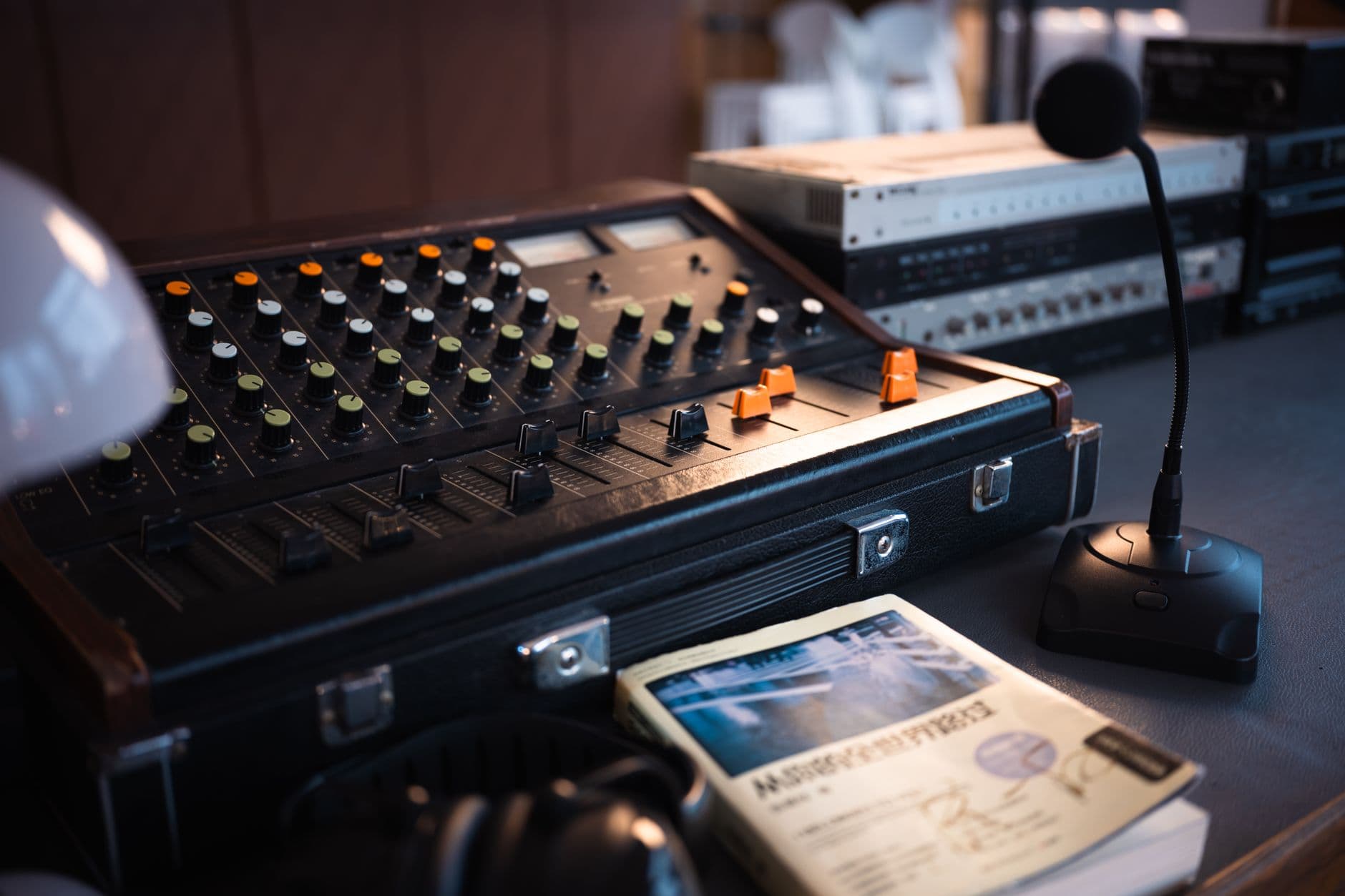
In the quiet spaces of a creative career, long after the initial rush of learning a new digital audio workstation or discovering a favorite microphone fades, creators face a defining choice. They can chase every shifting trend, updating their templates and plug-in chains to match the transient flavor of the month, or they can anchor themselves in enduring principles of sound and structure. This tension between ephemeral adaptation and foundational mastery defines the modern landscape of music production. Whether you are an independent recording artist, a filmmaker scoring your next feature, an author seeking the right sonic backdrop for a spoken-word audiobook, or a producer navigating the vast currents of global digital distribution, the tools you choose and the habits you form will ultimately dictate whether your work survives the year.
The Anatomy of Enduring Knowledge
There is a profound difference between acquiring a trick and mastering a discipline. In recent discussions across academic and professional circles—such as those surrounding intensive studio masterclasses—educators frequently emphasize workflows that practitioners intend to use for the rest of their creative lives. This distinction matters deeply for independent creators who cannot afford to waste time chasing software updates that offer diminishing returns.
When a producer studies under a veteran engineer or analyzes classic acoustic spaces, they are rarely learning about a specific menu setting. Instead, they are absorbing a way of thinking about dynamic range, spatial placement, and emotional resonance. For the broader creative ecosystem—including independent publishers and boutique film studios—this pursuit of core mechanics mirrors the study of narrative structure or cinematography. The underlying architecture of compelling art remains remarkably stable, even as the delivery mechanisms transform.
Consider how this applies across different creative domains:
- Writers and Authors: Understanding pacing and cadence is the literary equivalent of mastering compression and EQ; it controls where the audience breathes.
- Filmmakers: Sound design acts as the invisible glue of visual storytelling, transforming flat dialogue into immersive environments that anchor emotional truth.
- Independent Producers: Relying on a smaller, deeply understood hardware and software palette often yields faster, more distinctive results than drowning in infinite sonic choices.
When we examine the trajectory of legendary producers, a common thread emerges: their earliest hits were often crafted on restrictive equipment that forced them to make decisive creative choices. An artist working with a four-track cassette recorder or a single hardware sampler learns the intrinsic value of commitment. They cannot hide an uninspired performance behind a wall of twenty different saturation plug-ins. By contrast, contemporary creators frequently fall into the trap of endless optionality. The modern DAW allows for infinite tracks, infinite undo states, and infinite variations, which can paradoxically paralyze the artistic spirit. Returning to the mindset of physical limitations—setting strict boundaries on track counts, instrument choices, and processing steps—is often the single most effective way to restore vitality to a stagnant production workflow.
Behind the Glass: The Ecosystem of Music Tech and Studio Careers
The machinery behind modern sound is undergoing a fascinating diversification. Recent industry openings reveal a bifurcated landscape: on one side, massive label-owned flagship rooms and blockbuster cinematic franchises demand hyper-specialized technical wizards; on the other side, a thriving market for vintage audio repair, modular synthesis design, and localized acoustic calibration continues to expand.
For independent creators, this environment offers both a cautionary tale and an opportunity. Leaning too heavily on corporate-backed ecosystems can tether your workflow to proprietary software licenses and shifting subscription models. Conversely, cultivating mechanical empathy—understanding how gear actually works, from vacuum tubes to digital signal processors—provides a layer of professional resilience. When a piece of hardware fails or an industry standard shifts, the creator who understands the underlying signal flow adapts with minimal friction.
Moreover, the commercial realities of music technology influence how independent creators distribute and monetize their work. As major regional film industries increasingly partner with independent music scenes—such as Bollywood's recent strategic pivot toward grassroots independent artists in India—the barriers between underground production and mainstream synchronization are blurring. Producers who treat their craft with industrial-grade seriousness are finding themselves uniquely positioned to capitalize on these macro-level shifts.
Furthermore, the physical spaces in which we create are undergoing a profound evolution. The massive, million-dollar commercial recording studios that dominated the late twentieth century have largely given way to a decentralized network of project studios, garage spaces, and mobile recording rigs. While this democratization of recording technology has brought incredible music creation tools to millions of people worldwide, it has also introduced significant challenges regarding acoustic isolation and monitoring accuracy. Producers who take the time to deeply understand room modes, bass traps, and speaker placement often achieve mixes that translate far better across consumer playback systems than those who rely entirely on expensive hardware while ignoring the acoustic realities of their physical environment.
Building a Resilient Creator Business
Sustaining a creative business requires balancing technical idealism with commercial pragmatism. It is easy to romanticize the lone artist working in total isolation, but modern production and publishing demand a degree of systems thinking. If you want your creative output to outlast current platform algorithms, you must design workflows that protect your time and energy.
Here are several practical principles for safeguarding your creative longevity:
- Audit Your Toolchain: Regularly evaluate your software and hardware. If a tool introduces anxiety, frequent crashes, or endless options paralysis rather than creative flow, consider cutting it loose.
- Document Your Processes: Create personal templates, mixing checklists, and writing frameworks. This reduces decision fatigue and allows you to execute complex projects during moments of low inspiration.
- Diversify Your Collaborations: Step outside your primary medium. Producers should collaborate with fiction writers; filmmakers should experiment with ambient soundscapes. Cross-pollination prevents creative stagnation.
- Prioritize Acoustic Reality: In an era of hyper-processed digital tracks, the human ear increasingly craves organic texture. Spend time mastering natural room acoustics and microphone placement before relying entirely on digital emulation.
Beyond these internal workflows, building a resilient career demands a proactive approach to intellectual property and revenue diversification. Relying solely on streaming royalties is a notoriously fragile financial model for independent musicians and audio producers. Successful creators are increasingly looking toward sync licensing, sound library curation, educational content creation, and direct-to-fan communities as essential pillars of their business. By treating your catalog of work as a diversified portfolio of creative assets rather than just a collection of standalone singles, you insulate yourself against the inevitable fluctuations of algorithmic curation and major label gatekeeping.
Ultimately, the health of the creator economy rests on the depth of the work being produced. Trends will rise and fall, distribution algorithms will mutate, and corporate strategies will pivot toward new geographical markets. Yet, the foundational satisfaction of turning a blank page, shaping an arresting mix, or scoring a breathtaking cinematic moment remains unchanged. By focusing on enduring craft rather than temporary hype, creators can build resilient careers that endure long after the current noise has faded. The tools will inevitably change tomorrow, but the human capacity to connect through rhythm, melody, and intentional sound design will always remain absolute.