
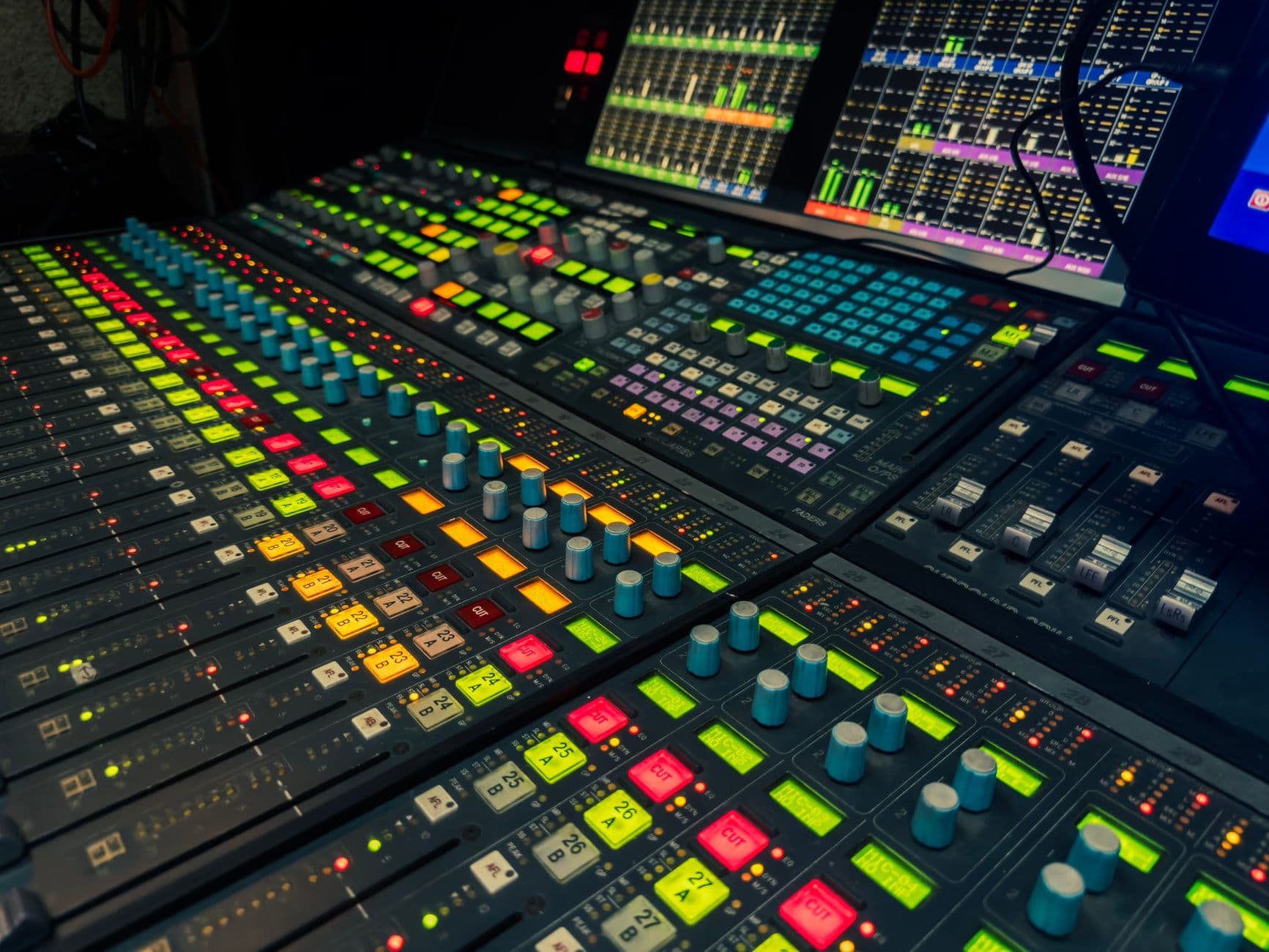
The landscape of modern music production is undergoing a profound transformation. Where the recording studio of the late twentieth century was defined by towering analog consoles, expensive real estate, and rigid gatekeeping, today’s workspace is porous, decentralized, and constantly evolving. Yet, despite the democratization of digital audio workstations and plug-ins that fit inside a backpack, the fundamental challenge of building a lasting career in audio remains unchanged: how do you translate technical competence into enduring artistic and professional relevance?
For independent creators, authors experimenting with sonic book trailers, filmmakers scoring micro-budget features, and career producers navigating shifting industry demands, the answer lies in rigorous fundamentals. As educational institutions roll out national songwriting initiatives and masterclasses designed to equip the next generation of students with lifelong tools, the focus is shifting away from fleeting production trends toward core structural understanding. True longevity in music production requires looking past the plugin du jour and examining how sound acts as an architectural pillar across media. Understanding this dynamic ensures that creators do not merely react to industry changes, but proactively shape their artistic paths.
The Pedagogical Shift: Building Lifelong Sound Foundations
Recent educational developments highlight a growing recognition that early exposure to music production and songwriting changes the trajectory of young creators. When students gain access to structured recording environments and masterclasses, they are not merely learning how to operate a DAW; they are developing an intuitive vocabulary of frequency, dynamics, and arrangement. This early fluency alters how they approach creative problem-solving under pressure.
Consider the parallel across other creative industries. An author who understands narrative pacing or a filmmaker who comprehends spatial audio dynamics approaches their primary craft with greater structural integrity. In music production, learning to listen critically at an early stage prevents the common trap of over-processing. Creators who master basic microphone placement, gain staging, and simple EQ decisions before touching a saturator or limiter build workflows that scale gracefully. They understand that a mix sounds powerful because of arrangement and balance, not because of the number of plugins strapped across the master bus. Furthermore, mastering these core principles instills an acute awareness of phase relationships, stereo imaging, and the psychological impact of transient responses, allowing for precise control over the emotional arc of a song.
- Prioritize arrangement over heavy processing to create natural separation in mixes.
- Treat acoustic treatment and source tracking as critical components rather than fixable-in-the-mix elements.
- Develop active listening habits by analyzing diverse genres outside your primary comfort zone.
- Focus on workflow ergonomics to reduce fatigue during long tracking and mixing sessions.
- Cultivate a deep understanding of gain staging to maintain headroom and prevent digital clipping early in the signal chain.
This disciplined approach extends directly into professional environments. Whether an engineer steps into a legacy major label facility or a hybrid home studio setup, the expectation is no longer just technical proficiency—it is adaptability. Modern studios value professionals who can troubleshoot routing issues instantly, communicate effectively with nervous artists, and deliver professional stems under tight deadlines while maintaining a calm, encouraging presence in the control room.
Navigating the Modern Music Tech and Studio Ecosystem
The contemporary job market for audio professionals is remarkably diverse. A glance at current music tech openings reveals a fascinating spectrum of opportunities, ranging from high-end commercial tracking facilities and blockbuster film scoring stages like those behind Star Wars, to niche hardware repair shops and software development startups. This diversification means that modern producers and engineers must cultivate hybrid skill sets that bridge artistic expression with rigorous technical competence.
Independent creators and studio professionals alike benefit from understanding both the creative and technical sides of the signal chain. For instance, a producer who understands basic hardware maintenance or digital signal processing architecture is far better equipped to diagnose workflow bottlenecks. Similarly, authors and filmmakers who collaborate closely with music producers find that bridging the communication gap between narrative vision and sonic execution yields far stronger final products. When audio professionals speak the language of visual artists or directors, they transition from being simple service providers to essential creative collaborators.
- Identify core competencies: Determine whether your primary strength lies in tracking, mixing, composition, or technical support, and build your brand around that foundation.
- Embrace cross-disciplinary collaboration: Work with indie filmmakers, game developers, and multimedia artists to expand your portfolio beyond traditional album production.
- Maintain hardware literacy: Keep up with physical signal flow, analog patching, and basic troubleshooting alongside software updates to ensure reliability.
- Protect your creative bandwidth: Establish clear boundaries between commercial client work and personal artistic exploration to prevent chronic burnout.
- Understand business fundamentals: Learn publishing rights, split sheets, and contract negotiations to safeguard your financial future in the industry.
This multi-faceted approach safeguards creators against the volatility of single revenue streams. When the music industry experiences structural shifts, versatile creators who understand licensing, audio post-production, interactive audio for video games, and live sound find stable footing where pure specialists might struggle. Diversification is no longer a luxury; it is a fundamental survival mechanism for the modern audio professional.
Designing Sustainable Workflows for the Independent Creator
Longevity in any creative industry ultimately depends on sustainable daily habits. In music production, burnout is an occupational hazard fueled by endless revision cycles, hyper-accessible software, and the pressure to constantly produce content. Combatting this requires intentional workflow design and a conscious rejection of perfectionism.
Producers and independent artists can protect their creative energy by establishing strict phase separation during projects. Mixing while writing or mastering while tracking invariably leads to decision fatigue and compromised results. By compartmentalizing tasks—dedicating specific days purely to sound design, arrangement, tracking, and mixing—creators preserve the objectivity needed to make high-level artistic choices. When you isolate the arrangement phase from the mixing phase, you allow yourself to focus entirely on composition without worrying about compression ratios or reverb tails.
Furthermore, investing in foundational tools that you know deeply—rather than chasing every new software release—fosters a deeper intimacy with your craft. The most compelling records are rarely made by those with the largest plugin libraries, but rather by those who know how to push a modest setup to its absolute limits. Developing templates, custom preset libraries, and standardized file organization habits also drastically reduces the cognitive load of starting a new session, freeing up precious mental energy for actual creative decisions.
As the creator economy continues to evolve, the integration of rigorous education, technical versatility, and mindful workflow design will define the next generation of successful artists and producers. By prioritizing depth over noise, modern creators can build enduring careers that withstand the test of time, adapting gracefully to every technological wave that crosses their path.