
In an era where digital audio workstations sit on nearly every laptop and virtual instruments are endlessly accessible, the definition of a music producer has undergone a seismic shift. Anyone can download a sample pack, drag a loop onto a timeline, and export a finished track within hours. Yet, beneath the surface of this democratization lies a paradox familiar to authors, filmmakers, and independent creators alike: infinite tools do not automatically translate to enduring craft. The proliferation of shortcuts often masks a deeper vulnerability—a lack of foundational durability when trends shift, algorithms mutate, and audiences demand authentic artistic weight rather than fleeting sonic novelty. True longevity requires an intimate understanding of the architecture of sound, bridging the gap between momentary inspiration and lifelong professional capability.
To examine how we bridge the gap between casual hobbyism and professional mastery, we must look at how foundational training is evolving across the global cultural landscape. Recent initiatives by cultural bodies such as Music Australia, which has rolled out targeted national programs to expand songwriting and recording opportunities for students, point toward a vital re-engagement with early education. Similarly, hands-on masterclasses at institutions like Ohio University demonstrate that when aspiring creators are exposed to rigorous, direct mentorship, their relationship with technology changes permanently. Participants do not just learn how to navigate a specific mixing plugin; they internalize methodologies that they carry forward for the rest of their creative lives. This article explores the anatomy of sustainable sonic craftsmanship, examining how education, studio discipline, and technical literacy secure longevity across the broader creative landscape.
The Shift from Software Obsession to Structural Foundation
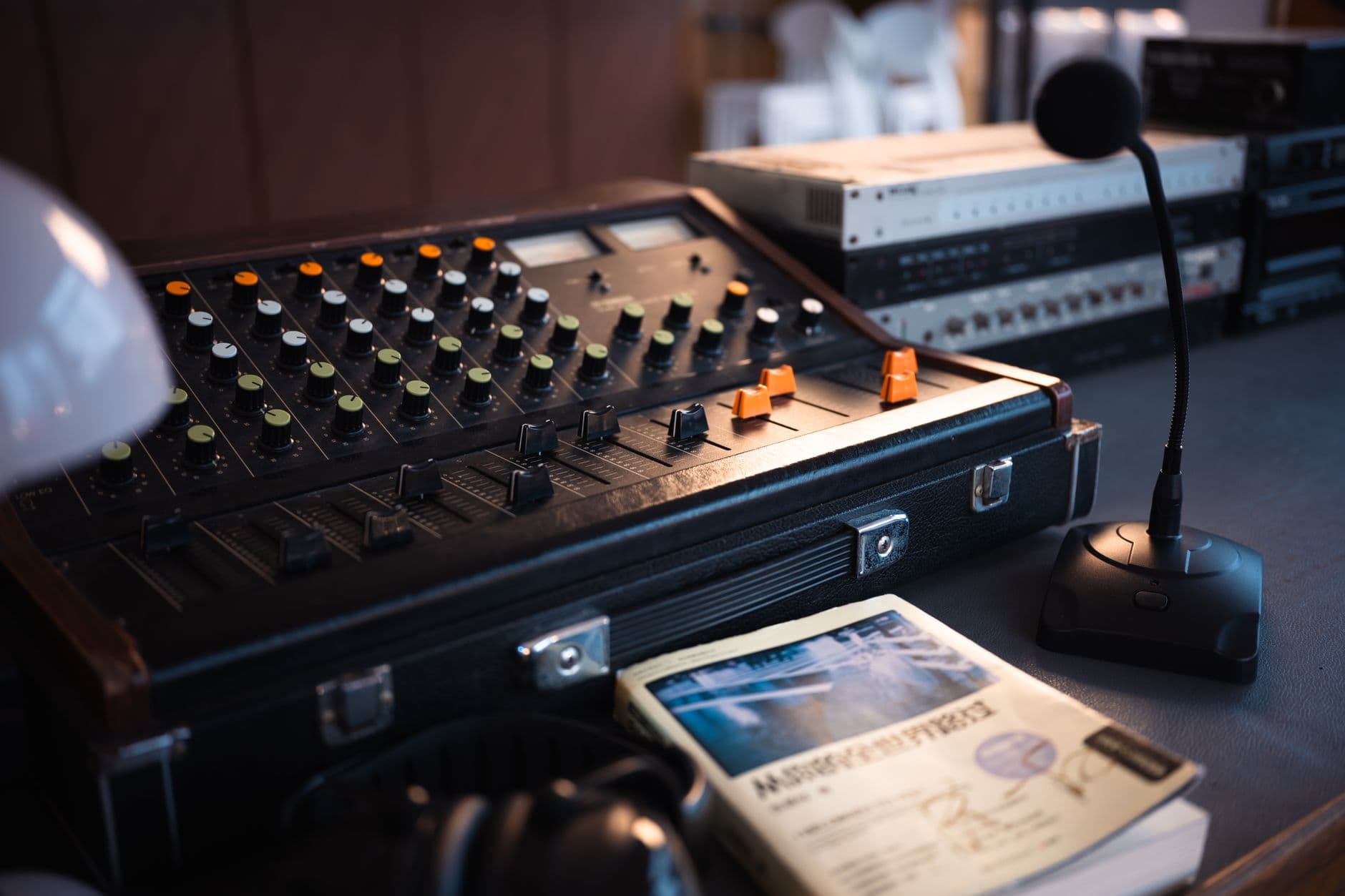
For decades, the allure of the recording studio was tethered to massive mixing consoles, expensive outboard gear, and acoustic spaces built with meticulous architectural intent. Today, the modern studio can fit inside a backpack. While this mobility has empowered independent artists to produce broadcast-quality records from home, it has also introduced a subtle form of friction. Creators frequently find themselves trapped in infinite loops of gear acquisition and software upgrades, mistaking consumerism for creative progress. They collect hundreds of gigabytes of sample libraries and virtual synthesizers while neglecting the core principles that dictate whether a mix will translate successfully across different playback systems.
True professional longevity in music production—much like long-term success in publishing or indie filmmaking—relies on understanding fundamentals that transcend specific software iterations. When a writer masters narrative structure, they are no longer dependent on a specific word processor or typing application. Similarly, when a producer thoroughly understands acoustics, gain staging, frequency masking, and dynamic control, the choice of digital audio workstation becomes secondary. Education initiatives that focus on core concepts rather than interface tutorials equip creators to adapt gracefully when industry standards pivot or when a client requests a completely different genre approach.
- Acoustic Literacy: Understanding how sound waves interact with physical environments prevents over-reliance on corrective plugins and allows producers to make informed choices in untreated spaces.
- Dynamic Range Management: Mastering balance at the tracking and mixing stage creates emotional breathing room in a master, ensuring the music retains life rather than succumbing to volume wars.
- Workflow Hygiene: Organizing sessions with intention reduces cognitive fatigue, streamlines the mixing phase, and preserves creative momentum during high-pressure deadlines.
- Translation Awareness: Testing mixes across multiple listening environments—from high-end monitors to consumer earbuds and laptop speakers—builds dependable translation skills.
When students and independent creators are introduced to these principles early—whether through structured institutional grants, regional arts initiatives, or immersive masterclasses—they build an inner compass. They stop chasing presets and start shaping unique sonic identities that can withstand the test of time.
Mentorship, Masterclasses, and the Transmission of Tacit Knowledge
There is a vast difference between consuming tutorial videos on a streaming platform and participating in an interactive masterclass. Online videos offer declarative knowledge: they show you which button to click, what compressor ratio to select, or how to route a bus. Direct mentorship and intensive workshops provide tacit knowledge: they teach you how to listen critically, how to make split-second aesthetic compromises, and how to troubleshoot creative dead ends under pressure. This human element is irreplaceable in artistic development.
In fields as diverse as novel writing, screenwriting, and music production, the apprenticeship model has always been the gold standard for quality control. When seasoned engineers or veteran producers deconstruct their multi-track sessions in front of an audience, the value lies not just in the technical revelations, but in the psychological insights. Students witness firsthand how professionals handle self-doubt, client friction, and the tedious, unglamorous stages of arrangement, comping, and editing. They learn that a great record is rarely born from a single moment of genius, but rather from dozens of small, disciplined decisions.
This dynamic mirrors the developmental labs found in the literary and cinematic worlds. A writer attending a rigorous workshop learns to separate their ego from the manuscript; a producer attending a masterclass learns to separate their personal taste from the needs of the song. Both experiences foster resilience, teaching creators that critique is not an indictment of their worth, but an essential instrument for sharpening their art. Without this friction, creators risk operating in an echo chamber of their own preferences.
- Observation: Watching an experienced practitioner make intuitive adjustments in real time demystifies the creative process and instills confidence in structural decision-making.
- Immediate Feedback: Receiving constructive critique prevents bad habits from cementing into permanent workflow bottlenecks, saving years of trial and error.
- Peer Community: Building a network of fellow creators provides mutual accountability, collaborative opportunities, and emotional support that last far beyond the classroom.
- Artistic Discipline: Cultivating the patience to spend hours on details that casual listeners may never consciously notice separates professionals from amateurs.
Navigating the Modern Creator Economy and Career Longevity
The contemporary music landscape intersects heavily with broader shifts in digital media, publishing, and film. Job openings in music technology now span a fascinating spectrum—from traditional major label facilities to specialized audio-visual repair, immersive game design, spatial audio mixing, and sonic branding for cinematic universes. This diversification means that modern producers can no longer rely solely on traditional record sales or streaming royalties to sustain their livelihoods. Survival in the modern economy demands versatility and proactive career management.
Success requires a hybrid skill set that balances artistic integrity with practical commercial awareness. An independent author understands distribution platforms, newsletter growth, and reader engagement; a modern producer must similarly understand metadata tagging, sync licensing protocols, basic audio engineering maintenance, and cross-media collaboration. Those who thrive across industries are those who treat their craft as an integrated business without letting commercial pressures dilute their creative voice or compromise their artistic vision.
Furthermore, maintaining longevity demands a commitment to deep, uninterrupted work. In an ecosystem dominated by hyper-short-form content, social media distractions, and instant algorithmic feedback, the ability to spend days refining a single mix bus or revising a single chapter is a radical act. Creators who protect their focus, embrace continuous learning, and refuse to cut corners are the ones who outlast fleeting trends and build catalogs that generate value for decades.
Ultimately, the health of the creative industries depends on intentional mentorship and educational accessibility. By fostering environments where young minds can engage deeply with sound, narrative, and visual craft, we ensure that the future of the creator economy is built not on fragile hype, but on enduring resonance. When education prioritizes depth over speed, the entire cultural ecosystem flourishes.