
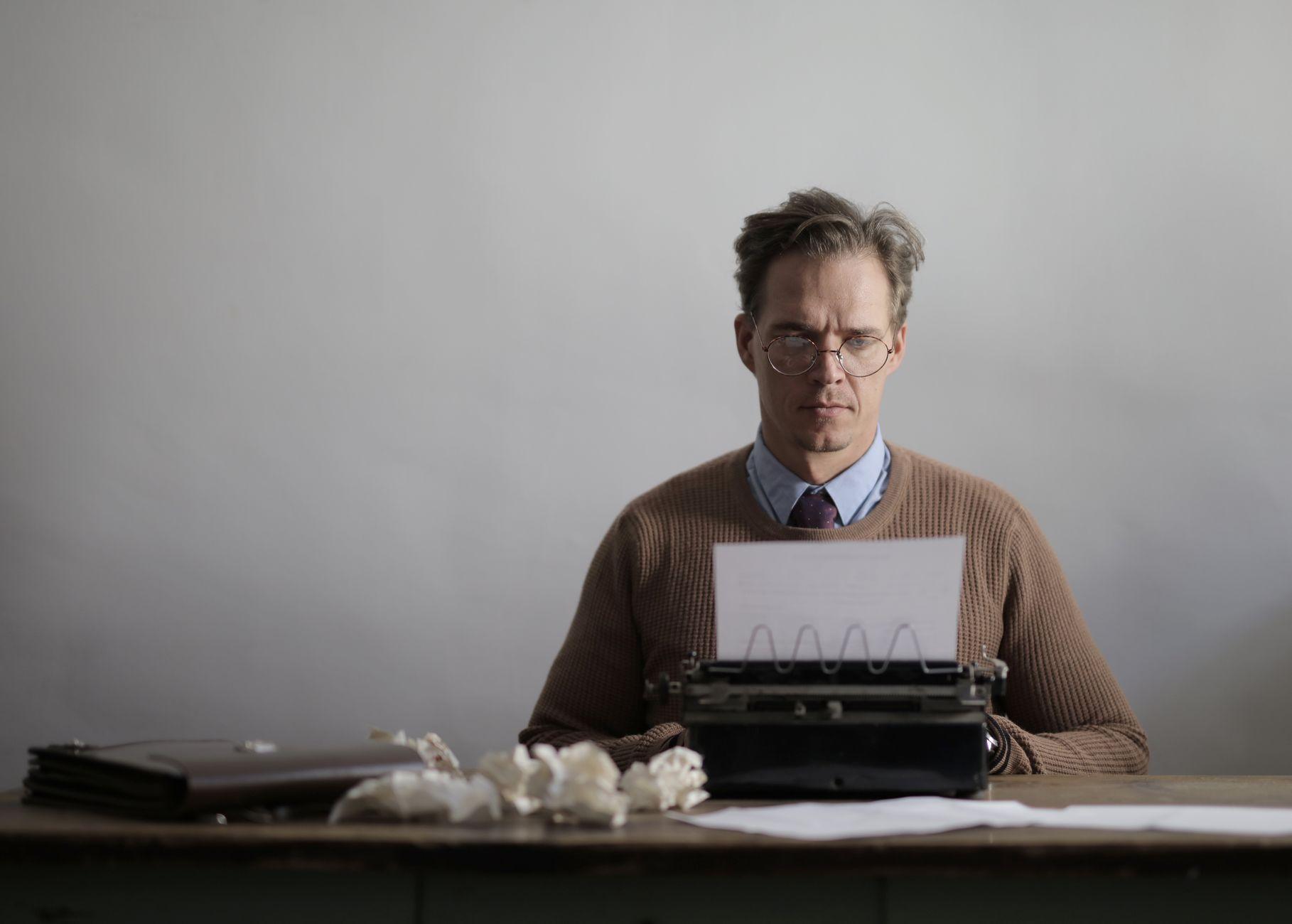
Across the contemporary creative landscape, independent creators, traditional publishers, filmmakers, and music producers find themselves navigating a complex web of structural vulnerabilities. Whether examining the severe regional disruptions faced by literary markets overseas, the persistent economic challenges threatening neighborhood cinemas, or the evolving battlegrounds over training data and intellectual property in music and text, the underlying theme remains consistent. The systems that support human art are under immense strain, requiring a deliberate return to structural resilience and clear-eyed protection of human labor.
The Foundations of Storytelling Under Regional Strain
It is easy for creators working inside stable, well-resourced domestic publishing hubs to forget that the literary enterprise relies on physical and economic infrastructure that can be shattered overnight. In regions experiencing active geopolitical conflict, such as Ukraine, the publishing ecosystem faces existential threats that go far beyond standard market fluctuations. Printing presses sit within range of bombardments, supply chains are severed, and distribution networks are constantly disrupted. Yet, publishers, authors, and booksellers continue to operate, driven by the profound cultural imperative to keep books in circulation, often risking personal safety to maintain the printed word.
This reality holds broader implications for global publishing and the creator business. It serves as a stark reminder that books are not merely intangible digital files or abstract revenue streams; they are physical manifestations of cultural memory that require stable logistics, paper mills, binderies, and safe warehousing. For independent authors and boutique presses, understanding the fragility of these supply chains highlights the value of diversified distribution and localized printing partnerships. When physical infrastructure frays, the ability to pivot across digital formats and decentralized print networks becomes a vital survival mechanism. Furthermore, international solidarity initiatives have shown that cross-border collaboration can keep regional presses afloat during catastrophic interruptions, proving that community resilience is just as important as physical logistics.
The Cinematic Ecosystem and Physical Gathering Places
Much like the printed page, the cinematic arts depend heavily on shared physical spaces. On Main Street corners across the United States and within international markets experiencing rapid growth—such as the notable surge in Chilean film production—the health of the medium is intimately tied to exhibition infrastructure. Community theaters, independent cinemas, and local film festivals act as the primary cultural anchors where audiences encounter new visions, debate complex themes, and participate in collective viewing experiences that cannot be replicated on personal devices.
However, these exhibition spaces operate on razor-thin margins. Advocacy groups and industry associations continually stress that legislative backing, such as dedicated cinema tax credits, is vital for keeping independent screens alive against the dominance of massive multiplexes and streaming aggregation. For filmmakers and producers, the fate of the local theater directly impacts the financial viability of mid-budget and independent cinema. When physical venues disappear, the diverse distribution pipeline narrows, forcing creators to rely entirely on algorithmic recommendation engines that favor hyper-commercial content over adventurous storytelling. The loss of a single neighborhood theater often means the permanent closure of a local hub for cultural discourse, affecting not just ticket sales, but the entire ecosystem of local arts engagement, educational screenings, and community dialogue.
Conversely, creators are also making conscious artistic stances against homogenized workflows. Acclaimed directors routinely reject automated shortcuts in favor of traditional, human-led production pipelines, emphasizing that the tactile texture of location shooting, human choreography, and genuine directorial intent cannot be replaced by synthetic generation. Protecting the integrity of the finished work means safeguarding every link in the physical and human chain of production, from the gaffer on set to the independent distributor bringing the final print to local screens.
Data, Rights, and the Changing Landscape of Intellectual Property
In the digital domains of music production and publishing, the battleground has shifted decisively toward data ownership and licensing integrity. Recent legal disclosures and ongoing negotiations involving major technology firms, authors' organizations, and music publishers reveal a systemic tension over how creative works are utilized to train large language models and generative systems. When unsealed documents indicate that tech developers were well aware of the legal and ethical implications of scraping copyrighted material, it underscores an urgent need for institutional vigilance.
Creators across disciplines must adapt to several critical realities in this environment:
- Rigorous Contractual Clarity: Authors and musicians must scrutinize digital rights clauses, ensuring that agreements explicitly restrict unauthorized training use or data harvesting by third parties.
- Collective Bargaining Power: Guilds and advocacy associations play an indispensable role in demanding accountability and fair compensation from technology platforms that monetize aggregated creative output.
- Transparency in Licensing: As new licensing frameworks emerge—such as structured partnerships between technology developers and music catalogs—creators must demand visibility into how their works are valued and deployed.
Lyrics, prose, and musical compositions are increasingly treated as foundational training data by external entities, turning the raw elements of human expression into raw material for automated systems. This dynamic threatens to commodify the distinct voice of the individual artist into generalized statistical probability. To counteract this trend, creators must assert ownership not just over the final product, but over the proprietary contexts in which their work is shared and archived. The economic health of creative professions depends heavily on establishing legal precedents that recognize human authorship as fundamentally distinct from machine generation, ensuring that future compensation models honor the unique labor required to produce original art.
Building Enduring Creative Enterprises
Navigating these turbulent industry currents requires a deliberate shift in how creators approach their careers. Whether you are an independent novelist, a studio-bound music producer, or an independent filmmaker, longevity is rarely achieved by chasing immediate algorithmic trends or relying on fragile digital intermediaries. The most resilient professionals are those who actively build diversified foundations that protect their craft from sudden market shifts.
- Diversify Your Revenue and Outreach: Do not rely on a single publishing platform, streaming service, or exhibition venue. Build direct relationships with your audience through newsletters, community engagement, and independent physical distribution channels that you fully control.
- Prioritize Human Collaboration: Cultivate trusted networks of editors, sound engineers, designers, and fellow creators who value rigorous craftsmanship over rapid output. Human insight remains the ultimate quality control mechanism in any artistic discipline.
- Defend Your Intellectual Property: Stay informed about legislative updates, copyright lawsuits, and collective bargaining efforts within your specific sector. Know your rights and refuse to sign away foundational assets without fair negotiation and professional legal counsel.
Ultimately, the health of the creative economy rests on the preservation of human agency. By understanding the vulnerabilities inherent in our physical infrastructure and digital marketplaces, creators and industry professionals can build more robust, enduring enterprises that honor the depth and difficulty of true artistic work. As these industries continue to evolve, maintaining a steadfast commitment to ethical standards, fair compensation, and authentic storytelling will remain the single most effective strategy for weathering future uncertainty.