In contemporary creative production, the tools we choose often dictate not just the speed of our work, but the very nature of our artistic longevity. Whether you are an independent author mapping a manuscript across complex software, a filmmaker organizing multi-track stems for a spatial mix, or a music producer evaluating the latest digital audio workstation (DAW), the underlying architecture of your digital workspace matters profoundly. Modern creative industries are shaped by an obsession with speed and novelty, yet sustainable careers rely on foundational mastery. As educational initiatives expand from primary classrooms to university masterclasses, the imperative to understand our tools rather than merely consume them has never been more critical. This tension between staying ahead of technological curves and anchoring oneself in timeless craft defines the modern creative journey.
The Digital Audio Workstation as a Creative Ecosystem
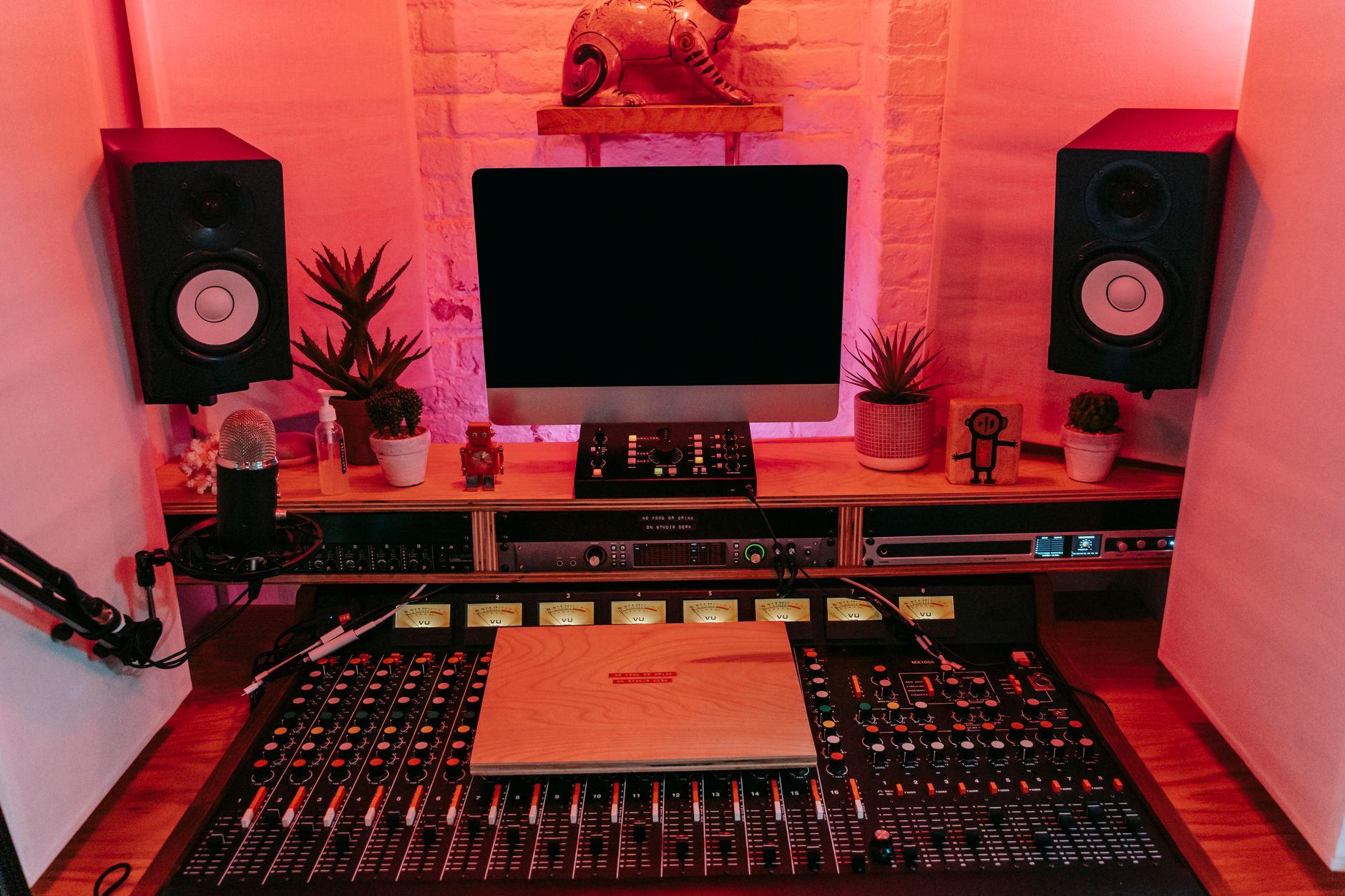
For music producers, songwriters, audio engineers, and electronic artists, selecting a primary DAW is akin to an architect choosing their drafting table. Modern digital workstations have evolved far beyond simple multi-track recorders into comprehensive production hubs that handle MIDI sequencing, virtual instrument hosting, advanced spectral editing, and real-time live performance processing. However, the sheer abundance of options available today can easily induce paralysis. Creators frequently cycle through software packages chasing features, updates, and workflow novelties, missing the deeper cognitive benefits of prolonged, dedicated platform mastery.
When examining current industry standards, different applications naturally align with distinct temperaments and workflows. Logic Pro remains a favorite for traditional songwriters and composers who value built-in instrument libraries and scoring tools, while Ableton Live continues to dominate electronic music production and performance circles through its flexible session view. Pro Tools maintains its stronghold in professional tracking and mixing facilities due to its industry-standard routing and editing precision, and newer entrants like Bitwig Studio appeal to modular synthesis enthusiasts. For independent creators working across multiple mediums—such as combining sound design with indie game development or audiobook mastering—the key is finding an environment that minimizes friction between concept and execution.
Investing time in mastering a single ecosystem pays compounding dividends. Shortcuts become muscle memory, routing templates eliminate repetitive administrative setup, and troubleshooting second nature. Conversely, perpetual software switching fractures attention, forcing creators to constantly relearn fundamental concepts rather than pushing the boundaries of their craft. When you know your environment implicitly, creative impulses translate directly into sonic reality without the frustrating barrier of technical hesitation.
Education, Masterclasses, and the Apprenticeship Void
Across the broader creative landscape—spanning music production, publishing, and film—traditional mentorship models have shifted dramatically. Formal educational institutions, community workshops, and national student programs now attempt to fill the void left by fading commercial studio apprenticeships. From university masterclasses led by veteran engineers to grassroots recording initiatives, structured learning environments offer aspiring creators a shortcut to professional standards.
Yet, formal training programs must balance technical software instruction with timeless foundational principles. Knowing how to navigate a complex routing matrix or manipulate a plugin interface is useless without an underlying understanding of acoustics, balance, arrangement, and narrative pacing. The most impactful educational experiences do not simply teach students which buttons to click; they instill a rigorous framework for critical listening and problem-solving. When a student or early-career professional realizes that a technique learned in a three-hour masterclass will anchor their workflow for decades, the true value of education becomes clear—it provides an anchor amidst shifting industry fads.
This dynamic extends beyond audio. Writers attending intensive workshops, filmmakers navigating lab programs, and independent publishers building distribution pipelines all face the same core challenge: distinguishing between temporary technological shifts and permanent structural truths. Tools will change; algorithms will update; software companies will rise and fall. Human judgment, emotional resonance, and structural rigor remain constant. Educational frameworks that emphasize these permanent truths produce resilient creators who can adapt to any new tool that enters the market.
Navigating the Evolving Landscape of Music Tech and Creative Careers
The modern job market for creative technologists is diversifying in unexpected ways. Employment opportunities now stretch from legacy major label recording studios to immersive audio departments in film and interactive media, specialized hardware repair enterprises, and software development firms. Navigating this landscape requires a dual mindset: technical adaptability coupled with a resolute commitment to personal artistic identity.
For independent creators operating outside traditional corporate structures, the blending of roles is an everyday reality. Producers often act as mix engineers, mastering technicians, project managers, and marketing directors. In this context, workflow optimization is not just a luxury; it is a survival strategy. Building streamlined templates, organizing digital asset management systems, and maintaining hardware hygiene prevent burnout and safeguard creative energy.
Furthermore, collaboration across creative disciplines relies heavily on shared technical literacy. When a filmmaker communicates sound cues to a composer, or a publisher discusses audiobook production with a recording engineer, a common vocabulary prevents miscommunication. Understanding how different workstations handle file exchanges, sample rates, and metadata preservation ensures that creative visions survive the arduous journey from initial draft to final public release. Without this foundational understanding of digital infrastructure, projects easily derail due to technical incompatibilities and version mismatches.
The Psychology of Workflow and Creative Preservation
Beyond the technical specifications and feature lists, the psychology of daily engagement with a digital workstation plays an enormous role in career longevity. Creative burnout is rarely caused by working too hard; rather, it is frequently the result of friction. Every time a producer has to stop mid-inspiration to troubleshoot an audio driver, search for a misplaced sample, or re-route a complex sidechain compression network, a piece of creative momentum is lost.
Mitigating this friction requires intentional workspace design. Digital hygiene—such as regularly cleaning plugin folders, organizing sample libraries into logical hierarchies, and maintaining standardized naming conventions—might seem mundane, but it directly protects mental bandwidth. When the workspace is transparent and predictable, the conscious mind remains free to focus on aesthetic choices, emotional impact, and sonic texture. Protecting your creative energy is ultimately a discipline of administrative care.
Practical Strategies for Technical Longevity
- Commit to a Primary Platform: Dedicate at least two to three years of intensive practice to mastering your chosen DAW or core software before exploring alternative ecosystems.
- Build Robust Templates: Design custom session templates that incorporate your preferred routing, headphone mixes, and plugin chains to eliminate setup fatigue.
- Prioritize Fundamentals Over Gear: Focus on core competencies such as arrangement, room acoustics, gain staging, and storytelling structure rather than accumulating new plugins or software instruments.
- Archive and Document: Maintain rigorous backup protocols and project documentation so that past work remains accessible and reproducible years down the line.
- Cultivate Digital Hygiene: Regularly audit your plugin directories, sample libraries, and workspace layouts to minimize cognitive load and technical friction.
Ultimately, the health of a creative career is determined by how well its practitioner manages the tension between innovation and endurance. By treating your digital workspace as a long-term home rather than a temporary testing ground, you build the stability necessary to weather industry volatility. Master your tools, lean into rigorous education, establish sustainable workflows, and protect the human craft at the heart of your work. In an industry driven by rapid change, steadfast dedication to foundational mastery remains your greatest competitive advantage.