
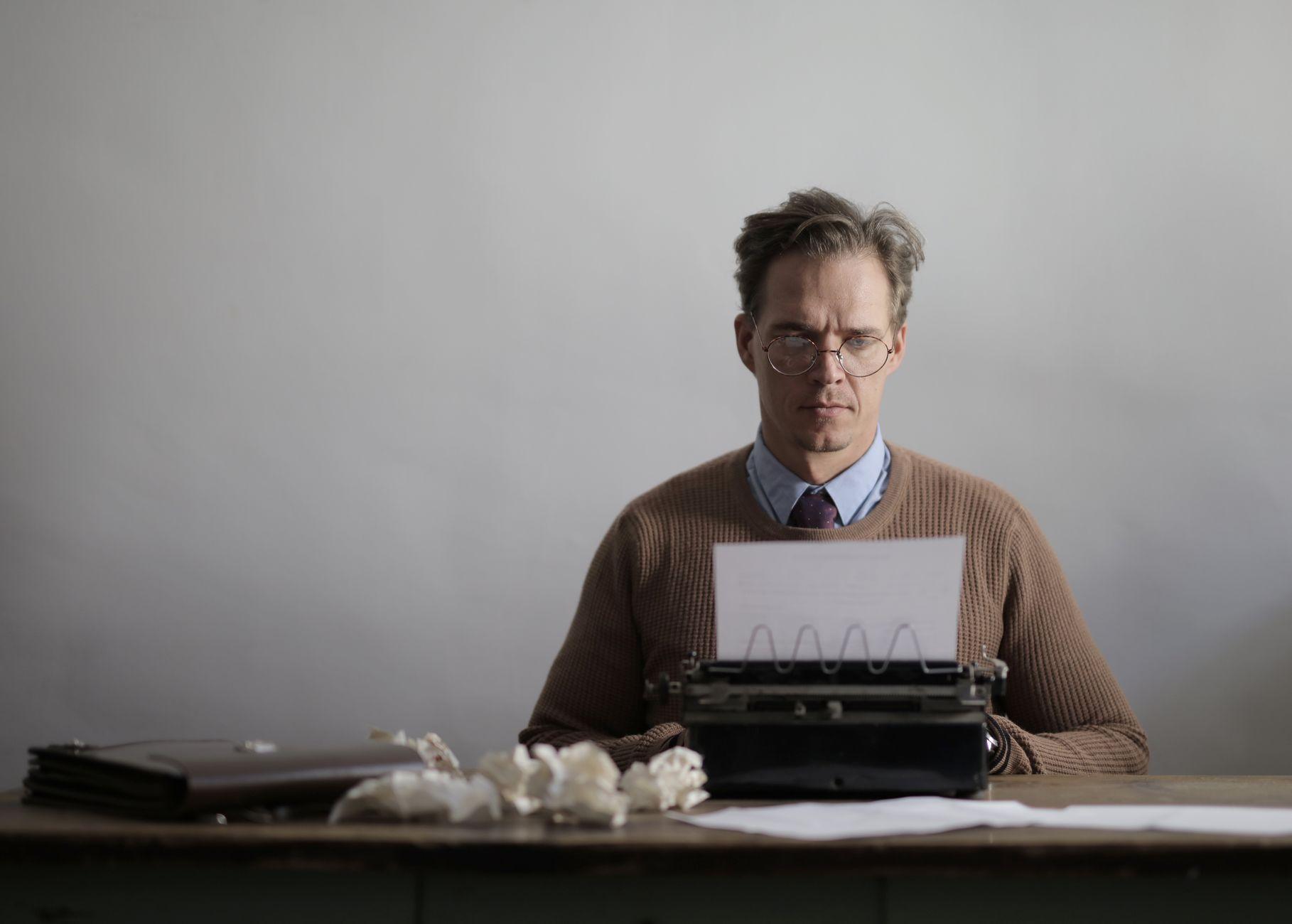
For every writer hunched over a laptop typing “FADE IN” and every filmmaker wrestling with a budget spreadsheet, the creative life is a paradox of intense isolation and hyper-public exposure. We spend months, sometimes years, perfecting a narrative arc, only to launch it into a marketplace that often rewards trend-following over careful craft. Yet, looking across the broader landscape of cinema, literature, and independent media, a clear pattern emerges: the creators who outlast temporary industry fads are those who treat their careers not as a series of lottery tickets, but as an architectural enterprise built on sturdy foundations.
Understanding this architecture requires looking closely at how professional pathways are forged. Whether you are an author transitioning into screenwriting, an independent publisher managing a burgeoning catalogue, or a director scaling up from grassroots shorts to platform-funded features, career longevity relies on a deliberate mix of institutional support, peer networks, and an unwavering commitment to the blank page. The modern creative economy does not hand out sustained success lightly; it demands a strategic alignment of artistic vision, administrative competence, and psychological endurance.
The Myth of the Overnight Breakthrough and the Reality of Craft
Popular culture loves the narrative of the overnight sensation—the script sold off a cold query, the debut novel that sparks a multi-studio bidding war, or the micro-budget film that sweeps major festivals. While these lightning-strike moments do happen, treating them as a career strategy is a recipe for creative burnout. In reality, sustained success in screenwriting, publishing, and independent production is a slow-burn endurance test that requires daily devotion.
Consider how cinematic depictions of writers have evolved. For decades, films about screenwriters have oscillated between romanticizing the bohemian anguish of the garret and satirizing the cynical machinery of studio executives. Yet beneath the celluloid tropes lies a universal truth: the core of the profession is revision, discipline, and the quiet resilience to keep going after a dozen rejections. When we study career trajectories like that of accomplished creators who scale from grassroots community storytelling to global streaming platforms, we see a common denominator. It is rarely raw talent alone that carries them forward; it is structural persistence, strategic project selection, and a deep understanding of their own creative voice.
For independent creators, this means establishing daily operational disciplines that protect the work from the fluctuating tides of the market. Writers must carve out time to write when no one is paying them; filmmakers must shoot tests, build pitch decks, and foster relationships with collaborators before a greenlight materializes. The work you do in the dark—when there are no grants pending and no festivals calling—is what prepares you to capitalize on opportunity when it finally arrives. Furthermore, cultivating an internal metric of success shields you from the emotional volatility of external validation.
Leveraging Fellowships, Labs, and Grants Without Losing Your Voice
One of the most effective ways to accelerate a creative career while maintaining artistic integrity is through institutional backing, such as writing labs, fellowships, and production grants. These programs offer much more than financial runway or a prestigious line on a resume; they provide immersive spaces for rigorous feedback, mentorship, and community validation that can completely alter the trajectory of a project.
However, navigating the ecosystem of grants and labs requires a strategic mindset. Creators often make the mistake of tailoring their work to fit what they think a specific selection committee wants to hear, stripping away the idiosyncratic edges that made their stories unique in the first place. Successful applicants understand that labs and fellowships are looking for distinctive voices backed by strong execution, not chameleon-like conformity. When you apply to a lab, you are offering an invitation into your creative worldview, and that worldview must remain uncompromising.
- Targeted Research: Match your project stage to the right program. Early-stage script incubators require heavy developmental focus, whereas finishing funds and post-production grants demand meticulous budgeting, clear timelines, and logistical proof-of-concept.
- Material Readiness: Never submit a first draft to a competitive fellowship. Treat application deadlines as hard creative milestones, ensuring your script, treatment, or pitch deck has undergone thorough peer review beforehand.
- Community Integration: View labs not as a golden ticket, but as an incubator for long-term peer relationships. The cohort members you bond with today will be your co-producers, beta readers, and creative sounding boards tomorrow.
- Resilient Tracking: Keep a detailed calendar of annual deadlines, application requirements, and feedback notes so you can systematically iterate on rejected proposals for the next funding cycle.
By treating institutional support as a catalyst rather than a crutch, creators can secure vital resources while retaining absolute ownership over their artistic vision.
Diversification and the Independent Creator Economy
In today's interconnected media landscape, relying on a single revenue stream or a solitary platform is an existential risk. Whether you operate in the literary sphere, music production, or narrative film, career longevity is inextricably linked to diversification. Authors are launching hybrid imprints; filmmakers are leveraging direct-to-consumer distribution models; screenwriters are adapting their unproduced features into serialized podcasts, graphic novels, or indie novels to build multi-platform intellectual property portfolios.
This diversification is not about diluting your focus or spreading yourself too thin; it is about building a resilient ecosystem around your core intellectual property. When you control your rights and understand the mechanics of multiple distribution channels, you insulate yourself from sudden shifts in studio greenlight policies or algorithm updates on streaming platforms. It also opens up unexpected avenues for monetization that can fund your passion projects without requiring external compromise.
Moreover, building a sustainable creative business requires treating your art with professional rigor. This means understanding contract basics, keeping meticulous financial records, learning how to read intellectual property clauses, and knowing how to communicate the value of your work to producers, publishers, and investors without sounding defensive or overly apologetic. Professionalism builds trust, and trust is the currency that fuels long-term collaborations in the entertainment and publishing industries.
The Psychology of Artistic Longevity and Managing Rejection
Beyond the logistics of funding and distribution lies the psychological battlefield of the creative career. Every artist must develop a healthy relationship with rejection. In the film and literary worlds, "no" is not an evaluation of your worth as a human being; it is often a reflection of timing, genre tastes, budget constraints, or corporate mandates that have nothing to do with the quality of your prose or script.
To survive decades in this industry, creators must learn to detach their self-esteem from the outcomes of individual submissions. This involves building a rich internal life outside of your professional output, maintaining supportive friendships with people who love you for who you are rather than what you produce, and celebrating small victories along the way. Whether it is nailing a particularly tricky scene break, finishing a challenging revision pass, or finding a brilliant new collaborator, these milestones deserve recognition.
Building a Sustainable Creative Future
Ultimately, the journey from an isolated creator to a resilient industry professional is marked by a fundamental shift in perspective. You stop asking, "How do I get someone to notice me?" and start asking, "How do I build a body of work that demands attention?"
By leaning into rigorous craft, intelligently navigating the world of labs and grants, diversifying your creative output, and protecting your mental health against the inevitable turbulence of the marketplace, you can construct a career that withstands industry volatility. The path is rarely linear, and the obstacles are guaranteed, but for those willing to embrace the long game, the rewards of creative independence are well within reach.