
In the modern creative landscape, the pressure to adopt every new tool, plugin, and distribution platform can feel overwhelming. Whether you are mixing a record in a home studio, drafting a novel on your laptop, or editing independent film footage, the speed of technological change tempts us to chase perpetual novelty. We are told that the next hardware release or the newest software update will finally solve our creative bottlenecks. Yet, experienced creators across music production, writing, publishing, and filmmaking often realize a profound truth: the most enduring work is born from mastering foundational principles rather than collecting ephemeral gear.
When studying masterclasses or examining how veteran producers approach their craft, a recurring theme emerges. The deepest breakthroughs do not come from discovering a secret preset or an exclusive plugin. They come from gaining absolute clarity over fundamentals—gain staging, room acoustics, signal flow, and psychological focus. For independent creators operating outside major label budgets or studio conglomerates, cultivating this depth of understanding is not just an artistic choice; it is an economic and professional necessity. Building a sustainable career requires an architecture of permanence, creating workflows that remain resilient even as software ecosystems and market trends shift beneath our feet.
The Illusion of the Quick Fix in Creative Workflows
It is easy to fall into the trap of technological determinism. In music technology and production circles, job market shifts span everything from major label landmark facilities to specialized hardware repair and audio-visual engineering for massive entertainment franchises like Star Wars. This vast spectrum proves that while the industry demands high technical competence, the core human requirement remains unchanged: someone must know how to make sound translate, how to fix broken signal chains, and how to shape raw noise into emotional resonance.
When creators rely too heavily on automated tools or complex digital signal processing chains to fix fundamental arrangement or performance flaws, they compromise their long-term growth. Consider these common pitfalls across disciplines:
- In music production: Relying on master bus limiters to compensate for weak dynamic control during tracking or mixing.
- In writing and publishing: Assuming that advanced manuscript formatting software can rescue a structurally undisciplined story.
- In filmmaking: Believing that high-end color grading LUTs can salvage poorly lit or improperly exposed raw footage.
- In independent business: Chasing viral social media algorithms instead of building a direct, trusted audience through meaningful engagement.
By confronting these shortcuts, creators can redirect their energy toward building robust mental models. When you understand why a compressor reacts the way it does to transient material, you stop guessing and start shaping tone with intention. That foundational shift transforms how you work across every subsequent project, ensuring that your technical choices are guided by acoustic reality rather than plugin marketing claims.
Structuring a Timeless Production and Writing Ecosystem
To build a creative practice that lasts for decades, you must intentionally design your daily environment and habits. This applies whether you are organizing your digital audio workstations, structuring a multi-book publishing schedule, or managing independent film post-production pipelines. Longevity is a byproduct of reduction—removing friction so that intuition can operate without interference.
Start by auditing your current toolkit. Ask yourself which tools you rely on because they genuinely serve your artistic voice, and which you use out of habit or marketing persuasion. Standardizing your template can dramatically accelerate your output. In music production, maintaining a clean, pre-routed mixing template with your favorite bus structures, metering tools, and monitoring calibration references saves precious cognitive energy. Similarly, authors benefit from maintaining clean outlining systems and distraction-free writing environments that require zero setup time.
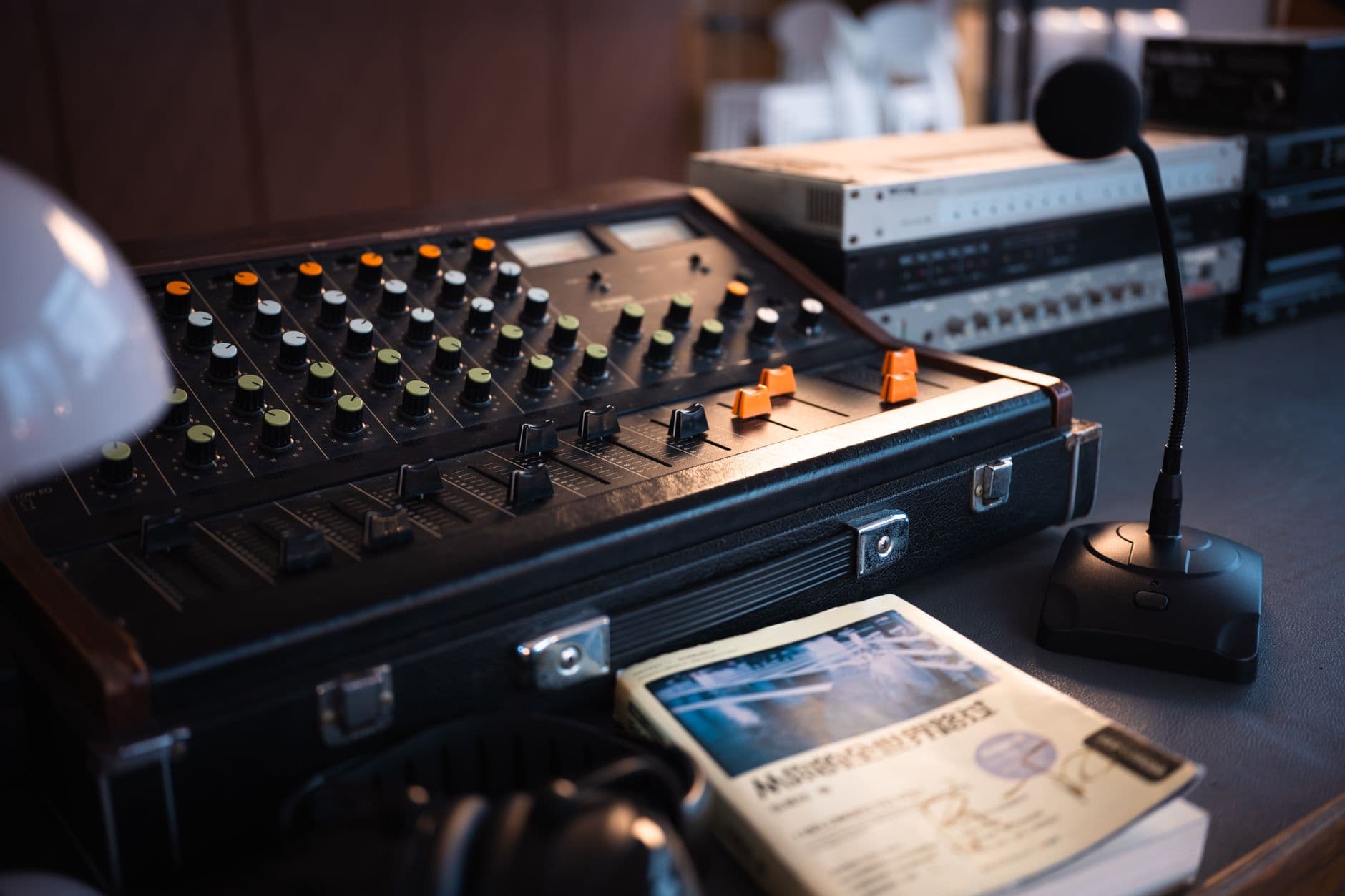
Furthermore, investing time in maintenance and technical literacy pays compounding dividends. Just as an audio engineer must understand how to troubleshoot patch bays, analog summing mixers, and microphone preamplifiers, modern digital creators must master file management, backup redundancy, and archiving protocols. Losing a master session or a manuscript due to poor data hygiene is an entirely preventable tragedy that disrupts creative momentum and professional reputation alike. Establishing rigid, reliable protocols for data hygiene ensures your creative legacy remains safe from hardware failure.
Bridging Artistry and Sustainable Commerce
For independent creators, balancing rigorous artistic standards with commercial survival is a delicate dance. The creator economy often pressures artists to churn out high-frequency content to satisfy platform algorithms. However, sustainable careers are rarely built on volume alone. They are built on distinctiveness, trust, and the perceived value of deep craftsmanship.
When you approach your craft with the mindset of a masterclass student—someone who is genuinely curious about the mechanics of their medium and intends to use those principles for the rest of their life—your relationship with the market changes. You stop competing in the crowded race to the bottom for attention. Instead, you focus on creating work that commands respect, retains its emotional punch years after release, and establishes a clear professional identity.
Publishers look for authors who understand narrative architecture. Filmmakers look for editors who understand pacing and rhythm. Record labels and independent artists look for producers who understand how to capture human emotion through technical mastery. Across all these domains, the professionals who thrive are those who treat their skills not as disposable commodities, but as enduring crafts honed through deliberate, lifelong practice.
Mastering the Psychology of Creative Focus
Beyond hardware and software architectures, a truly permanent workflow must account for the psychological realities of the creator. Burnout remains one of the primary threats to long-term artistic output. When your creative process is tied entirely to the frantic pace of digital notifications, social media metrics, and immediate consumer feedback loops, your internal motivation slowly erodes. Reclaiming creative agency requires establishing psychological boundaries that separate the deep work of creation from the superficial noise of distribution.
Consider implementing strict separation between phases of creation. In audio engineering, tracking, editing, mixing, and mastering are distinct disciplines for a reason. Attempting to mix while tracking or mastering while editing introduces cognitive friction that compromises the final product. By compartmentalizing your workflow, you allow your brain to enter a state of deep flow where intricate technical problems are solved with elegance and precision. This psychological discipline is just as vital as acoustic treatment or hardware selection when it comes to outlasting industry trends.
Conclusion: Cultivating Your Lifelong Toolkit
Ultimately, the tools we use will change. Software will update, subscription models will evolve, and new distribution channels will emerge. But the human desire for resonant stories, powerful music, and moving cinema remains entirely constant.
By focusing your energy on mastering timeless fundamentals—understanding acoustic principles, narrative structures, technical troubleshooting, and focused workflows—you insulate your career against the turbulence of industry trends. Build a practice that you can rely on for decades. Treat your creative education as an ongoing commitment rather than a series of quick fixes. In doing so, you secure not only your independence as a creator, but the enduring quality of the work you leave behind for future generations.