
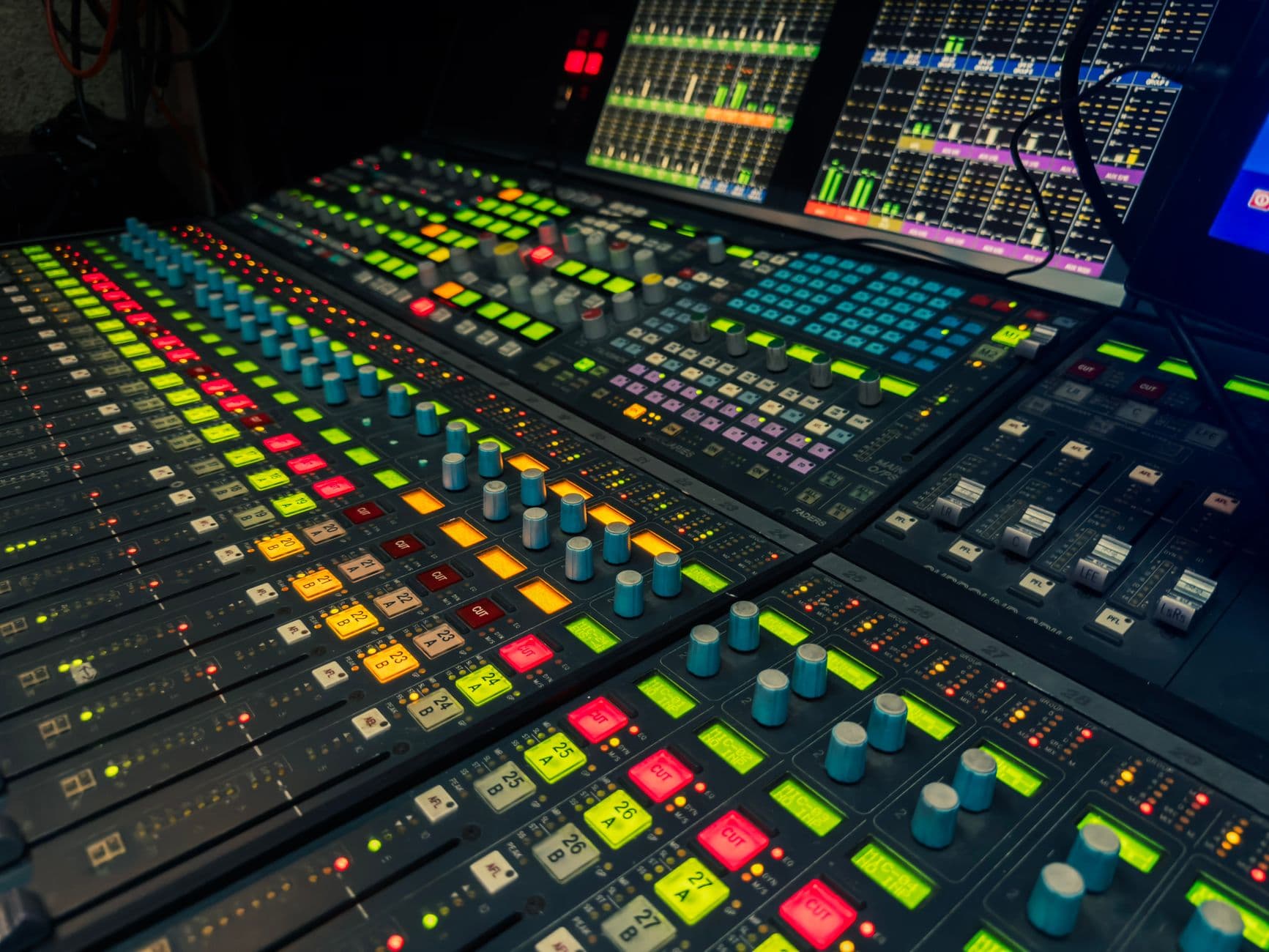
In an era defined by hyper-accelerated content cycles and algorithm-driven consumption, the act of creating sound has undergone a profound transformation. Independent producers, film sound designers, and audio engineers find themselves caught between two opposing forces: the relentless demand to churn out high volumes of material for digital platforms, and the timeless human desire to craft immersive, emotionally resonant work that endures. Navigating this tension requires more than just technical proficiency or the latest software plugin; it demands a fundamental shift in how we approach workflow, deep listening, and career longevity in the modern creator ecosystem.
For independent creators operating across books, film, publishing, and music production, the tools of the trade have never been more accessible. High-end digital audio workstations, affordable studio monitors, and cloud-based collaboration suites mean that a bedroom studio in Ohio or a mobile recording rig in London can achieve professional-grade fidelity. Yet, this democratization of tools brings its own paradox. When everyone has access to pristine virtual instruments and infinite tracks, technical perfection ceases to be a differentiator. Instead, the real competitive advantage lies in intentionality, editorial rigor, and the ability to build workflows that protect the creator's mental bandwidth over a lifetime of work.
Furthermore, the psychological toll of infinite revisions cannot be overstated. When a digital workspace offers endless undo states and limitless track counts, decision fatigue sets in early. Producers spend hours deliberating over microscopic EQ notches rather than evaluating the macro-emotional arc of the arrangement. This paralysis stems from a fundamental misunderstanding of what makes music compelling to human ears. Listeners do not connect with pristine phase alignment or clinical frequency separation; they connect with performance, intention, and vulnerability. Reclaiming the human element in production starts by recognizing that constraints are not limitations, but rather essential design parameters that force decisive, confident artistic choices.
The Architecture of a Sustainable Production Workflow
Many emerging producers fall into the trap of starting every project with a blank slate, endlessly tweaking kick drums and cycling through synth presets before a cohesive artistic vision has even formed. This lack of structural discipline is the primary engine of creative burnout. A resilient workflow must act as a scaffolding, supporting the creator through the vulnerable early stages of ideation while remaining flexible enough to accommodate sudden bursts of inspiration.
To build a workflow that lasts, creators must learn to compartmentalize their creative phases with deliberate boundaries:
- The Exploration Phase: Dedicate specific time blocks solely to sound design, field recording, and texture gathering without any pressure to build a finished track. This creates a personal library of raw materials that bear your unique sonic fingerprint, insulating you from generic preset fatigue.
- The Composition Phase: Focus entirely on arrangement, melody, and emotional arc. Resist the urge to mix or apply heavy processing while writing; let the skeleton of the piece stand on its own strength before adding cosmetic embellishments.
- The Production Phase: Layer, polish, and orchestrate. This is where technical skills truly shine, transforming a strong arrangement into a rich, immersive sonic landscape without compromising the core emotional message.
- The Mixing and Mastering Phase: Step back from the creative mindset and adopt an analytical, editorial perspective to ensure balance, translation across playback systems, and commercial readiness.
By separating these phases, creators avoid the cognitive fatigue that comes from constantly switching between the left-brain demands of technical problem-solving and the right-brain intuition of artistic expression. This structured approach mirrors the best practices found in long-form writing and independent publishing, where outlining, drafting, and developmental editing are treated as distinct, mutually supportive milestones rather than a single chaotic blur. Establishing routine checkpoints allows artists to evaluate whether a track actually serves their broader creative identity or if it is merely a byproduct of mindless iteration.
Moreover, building templates and custom session archetypes can drastically reduce friction. By pre-routing commonly used parallel compression busses, organizing headphone mixes in advance, and pre-selecting favorite instrument categories, a producer frees up valuable cognitive reserve. Instead of wrestling with input routing or plugin selection at midnight when inspiration strikes, the creator steps into an environment engineered for immediate expression. This structural scaffolding transforms production from an exhausting hurdle-jumping exercise into a fluid, sustainable daily practice.
Bridging the Gap Between Technical Mastery and Human Resonance
A masterclass in music production is rarely just about routing signals or mastering compression ratios. The most transformative educational experiences—whether encountered in university studios, specialized industry workshops, or through self-directed mentorship—focus heavily on perceptual training. They teach artists how to listen differently, moving past superficial sonic observations into a deeper understanding of frequency interaction, spatial depth, and psychological impact.
In music production, as in cinematic sound design, the ear is the ultimate arbiter. Yet, modern software trains us to look at our music through waveforms, spectrograms, and numerical meters. While visual aids are undeniably useful for precision editing, relying on them too heavily can detach the creator from the visceral experience of the listener. When an author edits a manuscript, they read aloud to catch the cadence and rhythm of the prose. Similarly, a producer must periodically close their eyes, turn away the computer monitor, and experience their mix purely as a physical, emotional wave of air.
This commitment to deep listening has profound implications for commerce and audience connection. Audiences—whether they are buying an indie record, reading a debut novel, or watching an independent film—can intuitively sense when a piece of art has been meticulously crafted versus when it has been mass-produced to fill a content quota. Longevity in the creator economy is built on trust, and trust is forged through the unmistakable presence of human care and meticulous attention to detail. When listeners encounter work that breathes naturally and respects their intelligence, they transition from passive consumers into loyal, lifelong patrons who support sustainable creator businesses.
Navigating the Evolving Creator Economy and Industry Realities
The modern creator does not exist in a vacuum. Whether you are mixing tracks for a major label studio, scoring an independent science-fiction short, or producing an immersive audiobook experience, your work is intimately tied to shifting economic realities. Job openings in music technology and audio engineering now span an extraordinary spectrum, ranging from traditional acoustic maintenance and gear repair to spatial audio implementation for virtual reality and cinematic storytelling.
For independent artists, diversification is no longer just a buzzword; it is a foundational survival strategy. Relying on a single revenue stream—such as streaming royalties or direct book sales—leaves a creator dangerously vulnerable to algorithmic shifts and platform policy changes. By cross-pollinating skills across disciplines, creators can build robust, multi-faceted careers:
- A music producer can apply their understanding of dynamic range and spatial staging to audiobooks and podcast sound design, opening up lucrative publishing markets that value narrative pacing.
- A writer can collaborate with producers to adapt their narratives into immersive audio dramas or sync-licensable musical companion pieces that expand the intellectual property.
- An independent filmmaker can leverage production workflows borrowed from electronic music composition to streamline their editing and sound-scoring pipelines, cutting down post-production turnaround times.
This cross-disciplinary fluency allows creators to weather industry fluctuations. When one sector contracts, another expands. More importantly, it keeps the creative mind agile, preventing the stagnation that often sets in when working within a single, highly specialized silo for too long. Understanding the broader mechanics of creator commerce ensures that artistic integrity and financial sustainability reinforce one another rather than remaining at constant war.
Cultivating Artistic Permanence in an Age of Noise
Ultimately, the goal of any rigorous creative practice is permanence—not necessarily in the sense of monumental historical fame, but in the enduring value that the work brings to its audience and its creator. When we design workflows that respect our mental energy, when we prioritize deep listening over visual crutches, and when we diversify our skills across the broader landscape of creator commerce, we reclaim agency over our art.
As you approach your next project—whether it is an album, a novel, a film score, or a digital publication—ask yourself not just how fast you can complete it, but how deeply you can inhabit it. Build systems that you can rely on for the rest of your creative life. Honor the craft with the patience it demands, and remember that in a world racing toward instant noise, deliberate, resonant artistry remains the rarest and most valuable commodity of all.